
Special Session 10: Intelligent Disaster Prevention and Mitigation for Power Equipment
Online Submission: https://easychair.org/my/conference?conf=pels2026 .
Please ensure you select "Special Session 10 " during the submission process.
Abstract of Special Session
Power equipment is continuously exposed to a wide range of natural, environmental, and operational hazards, including icing, severe convective weather, strong winds, flooding, lightning, bird-related disturbances, insulation degradation, overheating, electrical faults, fire, and other secondary disasters. These hazards may lead to abnormal equipment operation, accelerated aging, insulation failure, mechanical damage, thermal runaway, fire development, and even cascading impacts on the safe and reliable operation of power systems. With the rapid development of renewable energy integration, large-scale energy storage, and increasingly complex transmission and distribution networks, traditional single-source monitoring and passive protection methods are becoming insufficient to address the growing diversity and uncertainty of disaster risks. Recent advances in intelligent sensing, multi-source information fusion, artificial intelligence, digital twins, unmanned inspection, and advanced protection technologies provide new opportunities for the early identification, accurate diagnosis, risk prediction, and active mitigation of equipment-related hazards. This Special Session aims to provide a focused forum for researchers, engineers, and industry professionals to discuss recent advances in intelligent disaster prevention and mitigation for power equipment. The session will cover multi-hazard disaster mechanisms, intelligent sensing and monitoring, AI-based condition assessment and fault diagnosis, risk prediction and early warning, fire and thermal safety, intelligent inspection, active protection, emergency response, and resilience enhancement. Particular attention will be given to critical power equipment and infrastructure, including transformers, transmission lines, switchgear, electrochemical energy storage systems, and other key components of modern power systems. Both fundamental studies and engineering applications are welcome, especially those integrating physical mechanisms, advanced sensing, data-driven methods, and practical protection strategies. The session is expected to promote interdisciplinary collaboration among power engineering, disaster science, sensing technology, artificial intelligence, and safety engineering, and to support the development of safer, smarter, and more resilient power systems.
Topics:
- Icing, Lightning and Severe Weather Hazards
- Fire, Thermal Safety and Secondary Disaster Prevention
- Bird-related and Environmental Hazards to Power Equipment
- Fault Evolution and Multi-physics Disaster Mechanisms of Power Equipment
- AI-based Condition Monitoring and Fault Diagnosis
- Risk Assessment, Prediction and Early Warning of Power Equipment
- Active Protection, Intelligent Inspection and Resilience Enhancement
Special Session Chairs
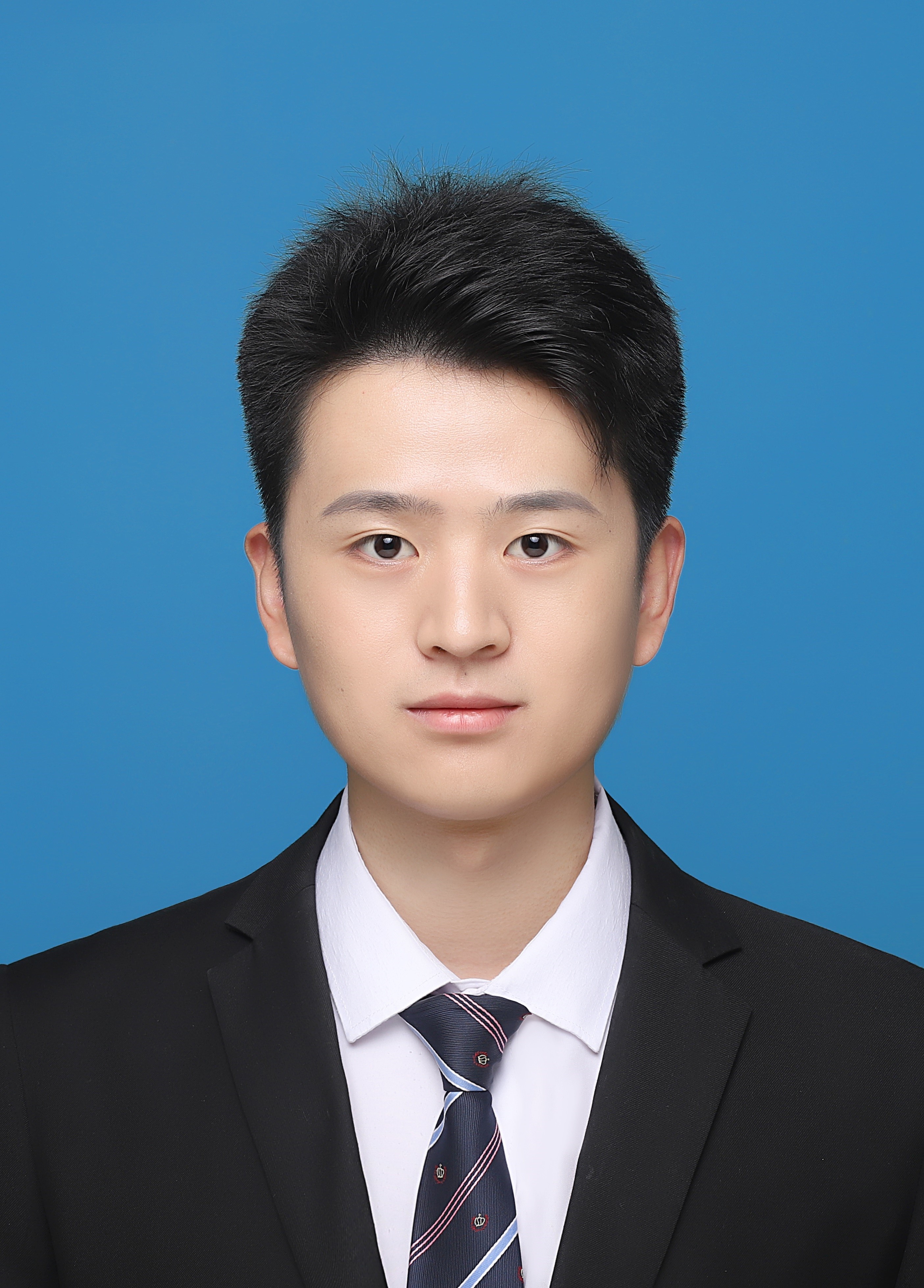
Yanli Miao, State Grid Jiangsu Electric Power Research Institute, China
Dr. Yanli Miao received his Ph.D. degree from the University of Science and Technology of China and is currently an Engineer at the State Grid Jiangsu Electric Power Research Institute. His research focuses on electrical equipment safety protection, condition monitoring of energy storage batteries, and safety early-warning technologies. He has led a number of research projects, including a Young Scientists Fund project (Category C) of the National Natural Science Foundation of China, a Young Scientists Fund project of the Natural Science Foundation of Jiangsu Province, a Postdoctoral Talent Program of State Grid Corporation of China, and research projects of State Grid Jiangsu Electric Power Co., Ltd. He has also participated as a key researcher in two National Key Research and Development Program projects. He has published 19 SCI-indexed papers in internationally recognized journals, including Proceedings of the Combustion Institute, International Journal of Heat and Mass Transfer, and Process Safety and Environmental Protection. He has filed 13 invention patent applications and obtained two software copyrights. As the lead drafter, he has initiated two energy industry standards. He was also selected for the Jiangsu Excellent Postdoctoral Program.

Wei Liang, State Grid Jiangsu Electric Power Research Institute, China
Wei Liang received his master’s degree in Electrical Engineering from Hohai University and is currently Deputy Director and Senior Engineer at the Transmission and Transformation Technology Research Institute of State Grid Jiangsu Electric Power Research Institute. He has been engaged in research on power transmission operation and maintenance technologies, as well as disaster prevention and mitigation technologies for power equipment. He has made sustained contributions to technological research, engineering applications, and standardization in these fields. He has received ten science and technology awards, including the Second Prize of the Science and Technology Progress Award of State Grid Corporation of China, the Third Prize of the Jiangsu Provincial Science and Technology Award, and the First Prize of the Science and Technology Progress Award of State Grid Jiangsu Electric Power Co., Ltd. He has been granted 20 invention patents and published more than 30 academic papers. He has also led the development and revision of eight technical standards. He currently serves as a member of the Expert Committee on Power Robotics of EPTC under the China Electricity Council and as a registered international standards expert with the International Telecommunication Union (ITU) and the International Organization for Standardization (ISO).

Yuhang Jing, Harbin Institute of Technology, China
Dr. Jing received his Ph.D. in Solid Mechanics from the Harbin Institute of Technology (HIT), China, in 2011. From 2009 to 2011, he studied at the University of Illinois Urbana-Champaign (UIUC) as a joint Ph.D. student. He joined the faculty of HIT as a lecturer in 2011. In 2015, he returned to UIUC as a postdoctoral researcher, joining a renewable energy project led by researchers from Illinois and Kyushu University. He resumed his work at HIT in 2019. His research focuses on the physical properties of materials and devices in extreme environments, encompassing radiation damage evolution, process simulation, force field development, solid-state ion conduction, and heat transfer. His computational expertise includes Density Functional Theory (DFT), Molecular Dynamics (MD), Coarse-Graining (CG), Machine Learning (ML), the Finite Element Method (FEM), and multiscale modeling approaches.

Baijian Wu, Southeast University, China
Baijian Wu is an Associate Professor in the Department of Engineering Mechanics, School of Civil Engineering, Southeast University, China. He received his B.S., M.S., and Ph.D. degrees from Southeast University, with part of his doctoral research conducted at Lehigh University, USA. His research interests include multiphysics modeling of materials and structures, structural health monitoring, power transmission engineering mechanics, disaster prevention and mitigation, and cardiovascular biomechanics. In recent years, he has focused on the safety and resilience of transmission line systems under extreme hazards, including large-scale disaster reproduction and scenario reconstruction under earthquake, wind, and icing conditions. He has led or participated in projects funded by the National Natural Science Foundation of China, the National Key R&D Program of China, and the State Grid Corporation of China. He has authored or co-authored around 60 research papers and filed or been granted around 30 patents.
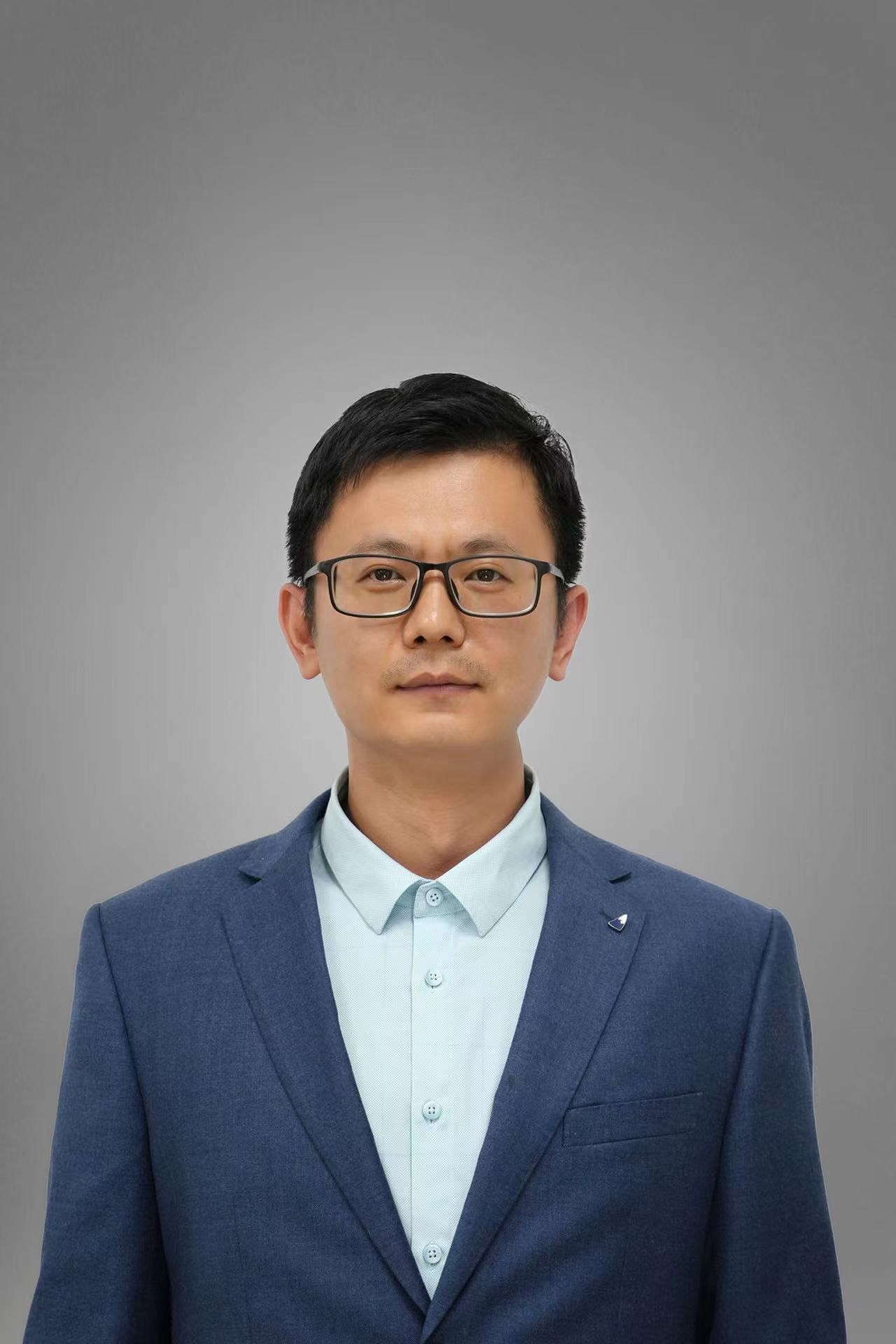
Wenjie Zhang, Nanjing University of Information Science and Technology, China
He is an Associate Professor and Doctoral Supervisor at the School of Geographical Sciences, Nanjing University of Information Science and Technology, and a core member of the State Key Laboratory of Climate System Prediction and Risk Management and the Institute of Energy Meteorology. He has led more than 20 government-funded and industry-sponsored research projects, including projects/tasks under the National Key Research and Development Program of China, projects funded by the National Natural Science Foundation of China, defense-related research projects, and commissioned projects from State Grid Corporation of China. He has published more than 50 papers in leading domestic and international journals, including over 20 papers as first author or corresponding author. His main research interests include monitoring, forecasting, and early warning of transmission-line icing; forest fire danger monitoring, fire spread, and risk zoning; and wind and solar power forecasting and electricity market trading.